


 IND
IND UAE
UAE SA
SA
GPU Clusters vs CPU ClustersâWhich Is Right for Your Workload?
GPU clusters and CPU clusters serve different computational needs based on workload characteristics. GPU clusters excel at massively parallel tasks, such as machine learning model training, deep learning, and large-scale simulations, offering higher throughput, scalability, and cost-efficiency for these specific workloads. CPU clusters, on the other hand, are more versatile for general-purpose computing, single-threaded, latency-sensitive, and sequential tasks. The right choice depends on your workload's parallelism, data size, computational intensity, and response time requirements.
Table of Contents
- Understanding CPU Clusters
- Understanding GPU Clusters
- Key Differences Between GPU and CPU Clusters
- When to Choose a CPU Cluster
- When to Choose a GPU Cluster
- Scalability and Cost Considerations
- Common Use Cases for Each Cluster Type
- Frequently Asked Questions
- Conclusion
Understanding CPU Clusters
CPU clusters consist of multiple CPUs working together, each optimized for serial processing and general-purpose tasks. CPUs have fewer cores designed for low-latency execution and quick context switching, making them ideal for workloads requiring varied operations, complex branching, and input/output (I/O) operations. Typical examples include running web servers, databases, and software with diverse transaction types or where single-thread performance is critical.
Understanding GPU Clusters
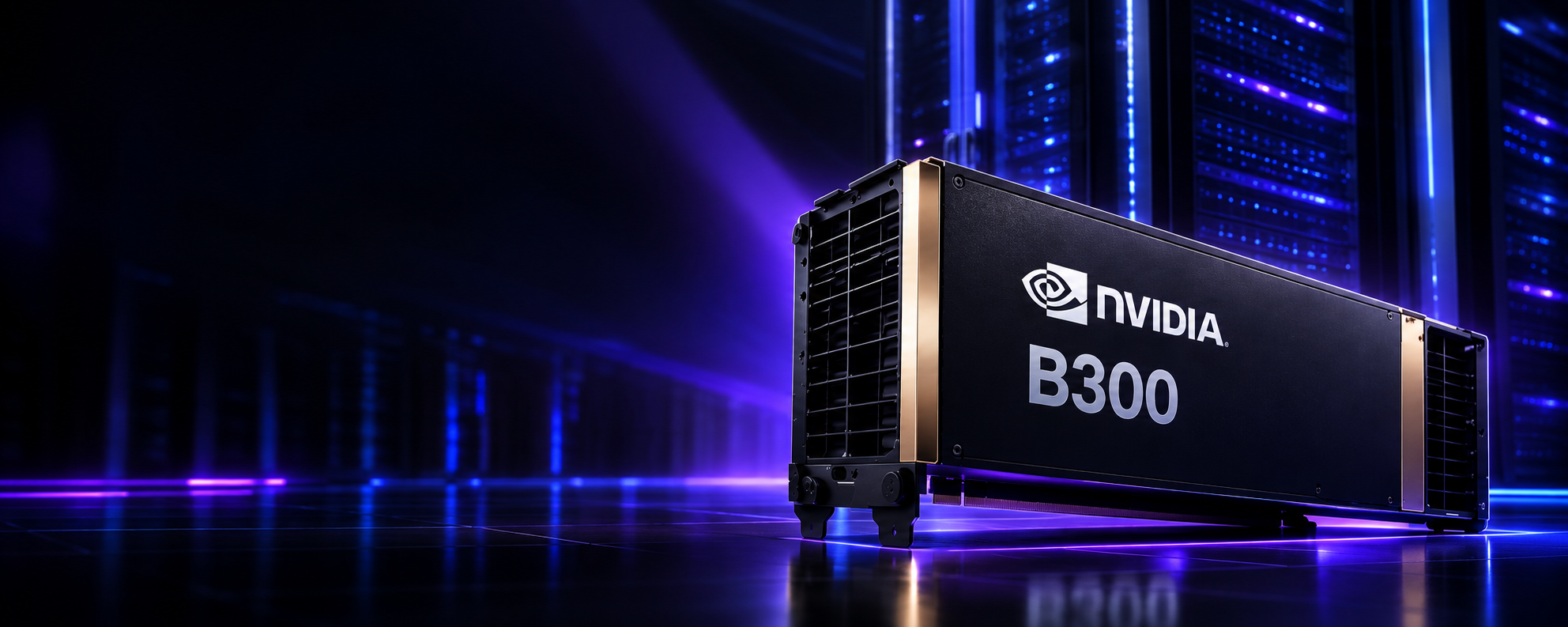
GPU clusters incorporate multiple Graphics Processing Units designed with thousands of cores optimized for parallel processing. These cores handle many simultaneous tasks, accelerating compute-intensive operations such as matrix multiplications and vector calculations fundamental to AI, machine learning, scientific simulations, and rendering. GPU clusters provide high throughput and large memory bandwidth to process vast datasets quickly and efficiently.
Key Differences Between GPU and CPU Clusters
| Aspect | CPU Clusters | GPU Clusters |
|---|---|---|
| Core Design | Few, powerful cores optimized for sequential tasks | Thousands of smaller cores optimized for parallel tasks |
| Processing Style | Serial, low-latency, multitasking | Massive parallel throughput |
| Best For | General-purpose workloads, I/O heavy, latency-sensitive | Highly parallel computations, AI training, simulations |
| Memory Bandwidth | Lower (~50GB/s) | Much higher (up to multiple TB/s) |
| Cost Efficiency | Better for varied tasks and legacy workloads | Better for specialized compute-intensive workloads |
| Scalability | Horizontal via adding more CPUs | Easy scaling with more GPU nodes or stronger GPUs |
| Energy Efficiency | Higher power consumption per compute unit | More computational power per watt |
When to Choose a CPU Cluster
- Workloads involve highly sequential or latency-sensitive tasks that require quick context switching.
- Your application requires versatile, general-purpose processing rather than specialized parallel tasks.
- Data preprocessing, logic-heavy workflows, or server operations benefit from CPU clusters.
- Smaller-scale ML inference tasks where latency is critical can leverage optimized CPU deployments.
- You have budget constraints for initial deployment but expect moderate computational needs.
When to Choose a GPU Cluster
- Deep learning and AI model training requiring simultaneous processing of large data batches.
- Scientific simulations, 3D rendering, and data analytics that demand high throughput.
- Workloads that benefit from parallelism to reduce total runtime drastically.
- Large neural network models requiring high memory capacity and bandwidth.
- Organizations looking to scale AI capabilities efficiently as workloads grow.
Scalability and Cost Considerations
GPU clusters require higher upfront investment but can deliver better performance per dollar for parallel workloads, reducing total computational time and improving throughput. Their ability to scale both horizontally (adding nodes) and vertically (upgrading GPUs) provides flexible growth for expanding AI and compute-intensive projects. CPU clusters offer cost-effectiveness for general workloads but may become less efficient at scale for tasks that benefit from parallel processing.
Common Use Cases for Each Cluster Type
CPU Clusters:
Web servers and database backends
Transaction processing
systems
Data preprocessing and ETL pipelines
Real-time systems with low latency
requirements
GPU Clusters:
Training deep neural networks and large machine learning
models
Real-time video processing and rendering
Scientific simulations, such as climate
modeling or molecular dynamics
Large-scale data analytics and big data processing
Frequently Asked Questions
Q: Can GPU clusters replace CPU clusters?
A: No, GPU clusters are optimized for
specialized parallel tasks and may not efficiently handle general-purpose or latency-sensitive
workloads that CPUs handle better.
Q: Are GPU clusters more expensive to run?
A: GPU clusters have higher upfront costs
but often reduce operational costs for suitable workloads by completing tasks faster and more
efficiently.
Q: How do GPU clusters handle scaling compared to CPU clusters?
A: GPU clusters scale
easily by adding more GPU nodes or upgrading GPUs, often providing more linear scalability for
parallel workloads than CPU clusters.
Q: What type of workloads are better suited for CPU clusters?
A: Workloads involving
complex logic, high I/O operations, or tasks requiring rapid switching between diverse jobs are
better suited for CPU clusters.
Q: Can CPU clusters handle AI workflows?
A: Yes, for smaller or latency-sensitive AI
inference workloads, CPU clusters can be effective, but large-scale training benefits more from
GPUs.
At Cyfuture AI, we provide optimized GPU and CPU clusters tailored to your unique workload requirements. Whether you need high-throughput GPU clusters for AI training or versatile CPU clusters for general-purpose computing, our scalable infrastructure ensures maximum performance and cost-efficiency. Discover how Cyfuture AI can accelerate your data-driven innovation today.
Conclusion
Choosing between GPU clusters and CPU clusters depends largely on the nature of your workload. For parallel, data-intensive operations like AI training and scientific simulations, GPU clusters offer unmatched performance and scalability. For versatile, latency-sensitive tasks requiring complex logic and input/output operations, CPU clusters remain the best choice. By understanding your workload's needs and requirements, you can leverage the right cluster type to achieve optimal efficiency and outcomes. Cyfuture AIâs advanced infrastructure solutions empower businesses to harness the full potential of both GPU and CPU clusters tailored to their specific demands.