Versatile
AMPERE
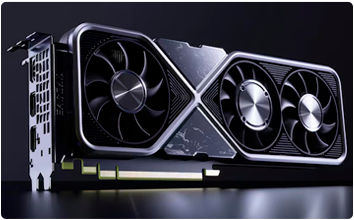
NVIDIA A100
AMPERE · HBM2e · 80GB
Good balance for mid-size LLM fine-tuning and high-throughput inference. Mature CUDA stack, predictable behaviour, and MIG slicing lets one card serve up to seven isolated workloads.
VRAM80 GB
Bandwidth2.04 TB/s
BF16312 TF
NVLink600 GB/s
View A100 details →
Cost-efficient
VOLTA
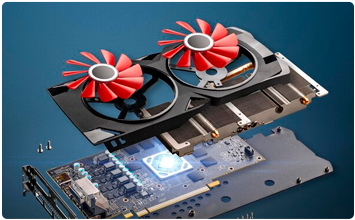
NVIDIA V100
VOLTA · HBM2 · 32GB
Best price-to-performance for smaller AI teams. Solid for classical deep learning, prototyping, and inference workloads that don't need FP8. A practical choice when budget matters more than raw throughput.
VRAM32 GB
Bandwidth900 GB/s
FP16125 TF
NVLink300 GB/s
View V100 details →
Most Popular
HOPPER
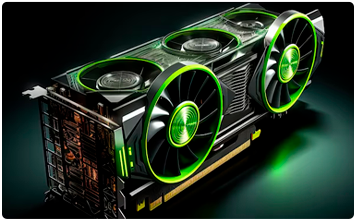
Rent NVIDIA H100
HOPPER · HBM3 · NVLINK 4.0
Best suited for large-scale LLM training and frontier inference. FP8 Transformer Engine roughly halves training wall-clock versus A100. The right pick for 70B+ pre-training, RLHF, and multi-node distributed workloads.
VRAM80 GB
Bandwidth3.35 TB/s
FP83,958 TF
NVLink900 GB/s
View H100 details →
Enterprise
HOPPER+
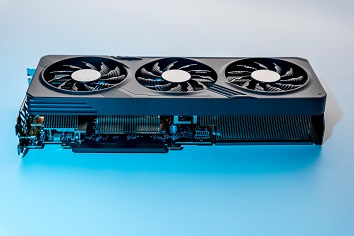
Buy NVIDIA H200
HOPPER · HBM3e · 141GB
For very large-context inference and high-throughput LLM serving. The 141 GB of HBM3e fits bigger KV caches and longer contexts without sharding — useful when 70B+ models need to run on a single GPU.
VRAM141 GB
Bandwidth4.8 TB/s
FP83,958 TF
NVLink900 GB/s
View H200 details →
Dedicated
OWN HW
Buy NVIDIA H100
HOPPER · DEDICATED · COLO
Own the hardware. We host, manage, and operate it. Useful for enterprises with regulatory needs, predictable multi-year workloads, or capex preferences. Single-tenant bare-metal in our SOC 2 facilities.
ModelSXM / PCIe
HostingTier-IV DC
Power2N redundant
CoolingLiquid ready
View H100 server →
Inference
TURING
NVIDIA T4
TURING · GDDR6 · 16GB
Designed for inference-heavy deployments and cost-efficient serving. Best price-per-token for small models, computer vision, and steady-state inference where latency matters more than peak throughput.
VRAM16 GB
Bandwidth320 GB/s
FP1665 TF
TDP70 W
View T4 server →
Visual AI
ADA
NVIDIA L40S
ADA LOVELACE · GDDR6 · 48GB
The dual-purpose GPU for visual AI and inference at scale. Strong on Stable Diffusion, video generation, and 7B–34B LLM serving. Great price-per-token when you don't need H100-class training.
VRAM48 GB
Bandwidth864 GB/s
FP81,466 TF
RT Cores3rd gen
View L40S details →
192GB VRAM
CDNA 3

AMD MI300X
CDNA 3 · HBM3 · 192GB
Designed for very large memory-bound AI workloads. 192 GB HBM3 fits 70B-class models in a single GPU with room to spare. ROCm 6 has matured significantly — solid alternative when supply or pricing matters.
VRAM192 GB
Bandwidth5.3 TB/s
FP85,200 TF
StackROCm 6
View MI300X Details →
LLM training
GAUDI 2
Intel Gaudi 2
GAUDI 2 · HBM2e · 96GB
Strong price-performance for LLM training and complex neural networks. 24× 100GbE on-chip networking removes the need for external NICs — useful for scale-out training. Native PyTorch support via Intel's stack.
VRAM96 GB
Bandwidth2.45 TB/s
Networking24×100 GbE
StackSynapseAI
Coming soon
NVIDIA B200
ADA LOVELACE
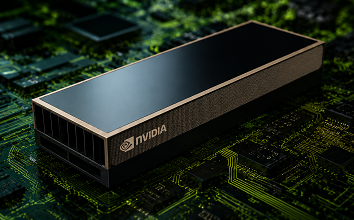
NVIDIA B200
ADA LOVELACE · GDDR6e · 180GB
Built for the most demanding generative AI and HPC workloads. With 180GB of high-bandwidth memory and 2nd Gen Transformer Engine, B200 delivers breakthrough performance for LLMs, training, and real-time inference.
VRAM180 GB
Bandwidth8,000 GB/s
Networking4,500 TF
Stack4th Gen
View B200 details →
NEXT-GEN AI
BLACKWELL
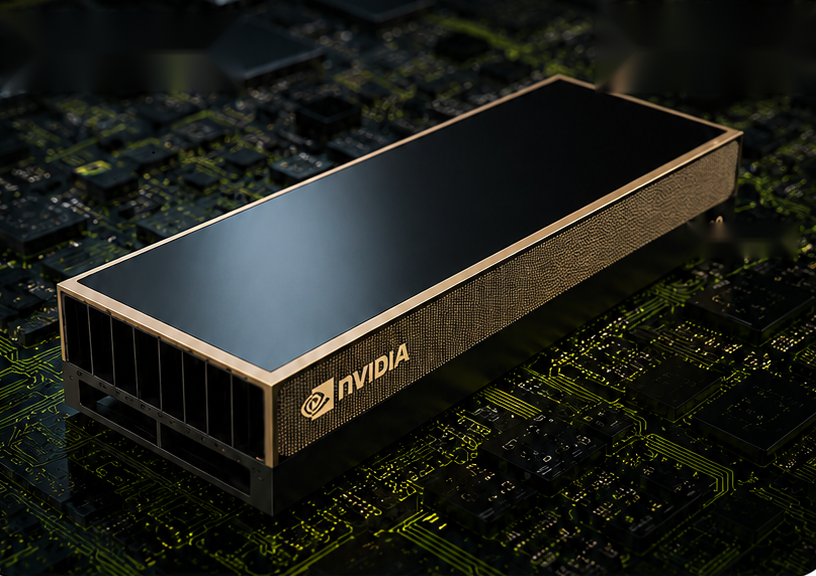
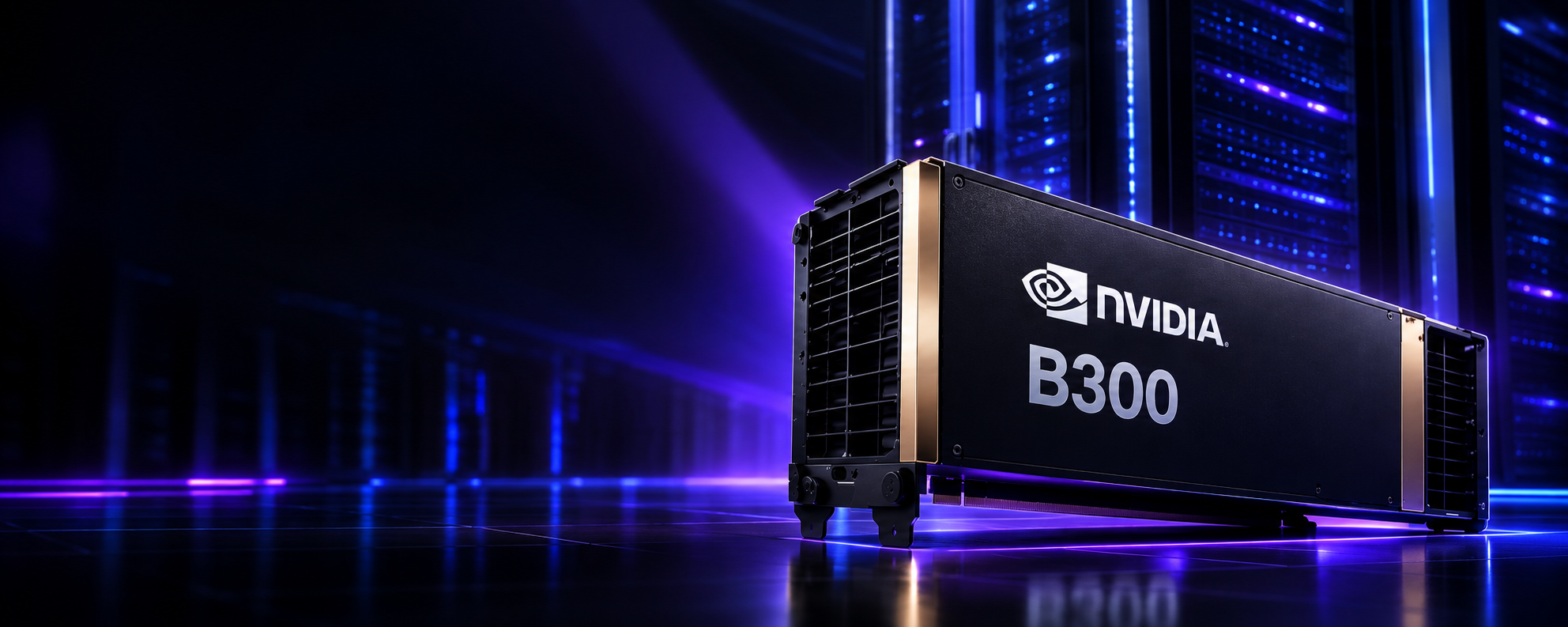
NVIDIA B300
BLACKWELL · HBM3E · 288GB
Engineered for the future of AI. The NVIDIA B300 delivers unmatched performance for trillion-parameter models, advanced training, and real-time inference with massive memory and next-generation Blackwell architecture.
Memory288 GB HBM3E
Memory Bandwidth12 TB/s
FP4 AI Performance: Up to 30 PFLOPS
Transformer Engine2nd Gen
NVLinkNVLink 5.0
ArchitectureNVIDIA Blackwell
View B300 details →
NEXT-GEN AI
BLACKWELL
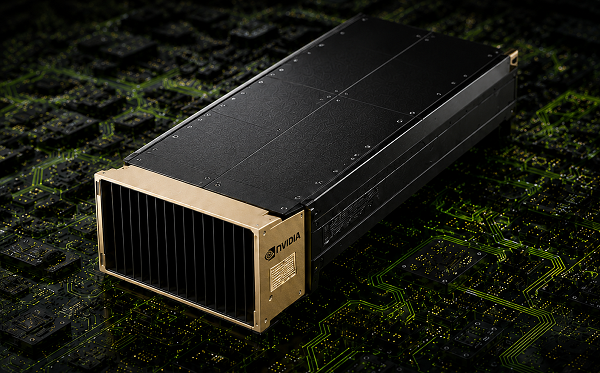
NVIDIA GB200
BLACKWELL • NVL72 • 192GB
The world’s most powerful AI superchip. NVIDIA GB200 combines Grace CPU and Blackwell GPU in a unified architecture to deliver unprecedented performance for training, inference, and large-scale AI workloads.
GPU Memory
192 GB HBM3E
Memory Bandwidth
8 TB/s
FP4 AI Performance
Up to 20 PFLOPS
CPU
Grace™ CPU
NVLink
NVLink 5.0
Architecture
NVIDIA Blackwell
Transformer Engine
2nd Gen
System Scale
NVL72
View GB200 details →
NEXT-GEN AI
BLACKWELL
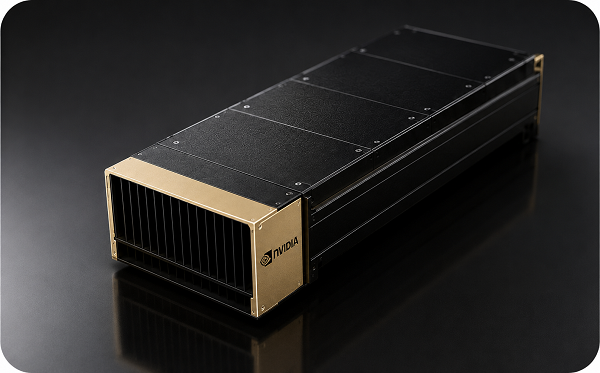
NVIDIA GB300
BLACKWELL • NVL72 • 288GB
Redefining the limits of AI computing. NVIDIA GB300 delivers breakthrough performance for trillion-parameter models, real-time inference, and extreme-scale AI workloads with massive memory, next-generation bandwidth, and advanced Blackwell architecture.
GPU Memory
288 GB HBM3E
Memory Bandwidth
8 TB/s
FP4 AI Performance
Up to 30 PFLOPS
CPU
Grace™ CPU
NVLink
NVLink 5.0
Architecture
NVIDIA Blackwell
Transformer Engine
2nd Gen
System Scale
NVL72
View GB300 details →
NEXT-GEN AI
RUBIN ARCHITECTURE
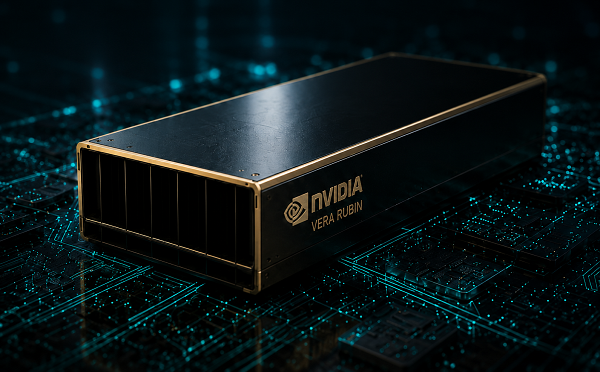
NVIDIA VERA RUBIN
NEXT-GEN AI • RUBIN ARCHITECTURE • 288GB+
Built for the next era of AI. NVIDIA Vera Rubin delivers breakthrough performance and efficiency for trillion-parameter models, advanced reasoning, and real-time AI at massive scale with the all-new Rubin architecture.
GPU Memory
288 GB+ HBM4
Memory Bandwidth
13 TB/s+
AI Performance
Up to 50 PFLOPS
CPU
Grace Next CPU
NVLink
NVLink 6.0
Architecture
NVIDIA Rubin
Transformer Engine
3rd Gen
System Scale
NVL144
View Vera Rubin details →
PRO-GRADE AI
BLACKWELL
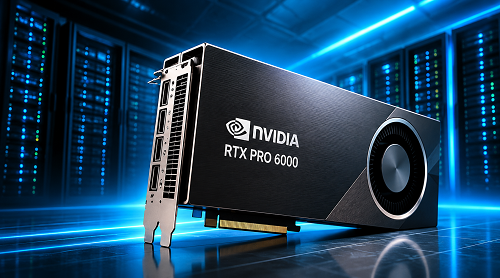
NVIDIA RTX PRO 6000
PROFESSIONAL GPU • REAL-WORLD IMPACT
Engineered for the next era of AI. NVIDIA RTX PRO 6000 delivers exceptional performance for complex AI, 3D rendering, simulation, design, and data-intensive enterprise workloads with unmatched reliability and scalability.
GPU MEMORY
96 GB GDDR7
MEMORY BANDWIDTH
1,792 GB/s
AI PERFORMANCE
Up to 4,000 TOPS
CUDA CORES
24,064
RT CORES
188 3rd Gen
TENSOR CORES
752 5th Gen
POWER CONSUMPTION
Up to 600W
ARCHITECTURE
NVIDIA Blackwell
View RTX PRO 6000 details →





 IND
IND UAE
UAE SA
SA