

 IND
IND UAE
UAE SA
SA
What’s the difference between GPU cloud and GPU as a Service (GPUaaS)?
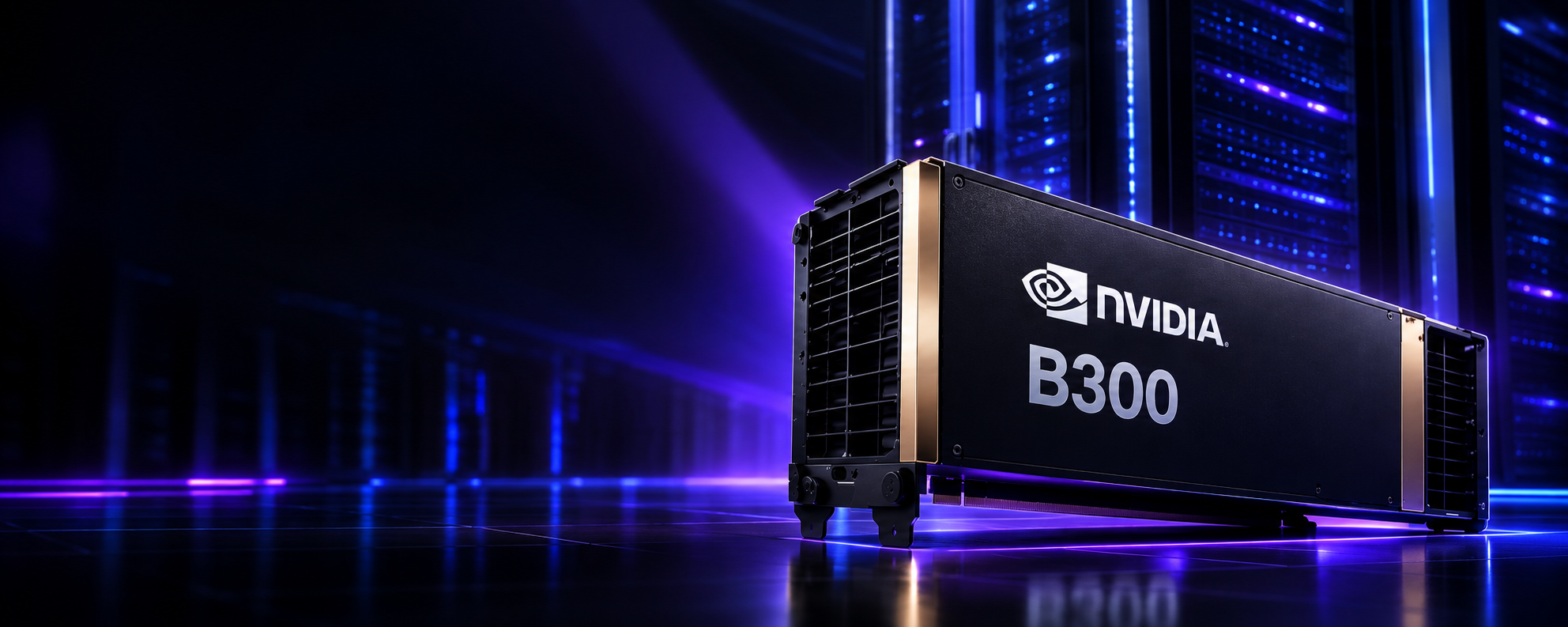
GPU cloud typically refers to the raw infrastructure offering virtualized or dedicated GPU hardware in cloud environments where users manage and configure GPU instances themselves. In contrast, GPU as a Service (GPUaaS) is a fully managed, on-demand service providing accessible, scalable GPU computing resources with integrated software, automation, and ease of use, enabling users to leverage GPU power without dealing with hardware setup or maintenance. GPUaaS offers flexibility, cost-efficiency, and simplified management compared to traditional GPU cloud services.
What is GPU Cloud?
GPU cloud refers to the cloud computing infrastructure that provides access to graphics processing units (GPUs) which can be configured and managed by users themselves. Users get virtual or dedicated GPU instances and are responsible for installing drivers, managing software, and handling scaling. This model is ideal for users who want full control over their GPU environment but also require technical expertise and time for setup and management.
What is GPU as a Service (GPUaaS)?
GPU as a Service (GPUaaS) is a cloud service that offers on-demand access to GPU computing power with management, maintenance, and software configuration handled by the service provider. Users access virtualized GPUs via the internet, often through simplified interfaces or APIs, allowing them to focus on their AI, machine learning, graphics rendering, or scientific computing tasks without worrying about underlying hardware or infrastructure. GPUaaS supports flexible pricing such as pay-as-you-go and subscription models and is optimized for scalability and cost efficiency.
Key Differences Between GPU Cloud and GPUaaS
|
Feature |
GPU Cloud |
GPU as a Service (GPUaaS) |
|
Control |
User-managed GPU instances with full control over configuration |
Managed service with minimal user setup |
|
Ease of Use |
Requires technical knowledge for setup, drivers, and software |
Pre-configured environments, accessible to non-experts |
|
Maintenance |
User responsible for maintenance and updates |
Provider handles all maintenance and updates |
|
Scalability |
Manual scaling, dependent on user input |
Automatic or simplified scaling based on demand |
|
Pricing Models |
Usually fixed or reserved instance pricing |
Flexible pay-as-you-go or subscription pricing |
|
Performance |
Dedicated hardware availability, potentially no virtualization overhead |
Virtualized GPU resources with slight overhead, highly optimized |
|
Accessibility |
Access through cloud platforms but often tied to specific environments |
Universal remote access with API and software integrations |
|
Use Case Suitability |
Best for users needing customized environments |
Best for teams needing rapid deployment and flexibility |
Benefits of GPUaaS Over GPU Cloud
- Cost Efficiency: GPUaaS eliminates upfront hardware costs and reduces expenses by charging only for usage time, enabling optimized resource utilization.
- Flexibility and Scalability: Users can easily scale GPU resources up or down based on workload demands without needing to manage the infrastructure.
- Simplified Management: Providers take care of hardware maintenance, driver updates, and security, saving time and reducing complexity.
- Access to Latest GPU Technology: Cloud providers continually upgrade their GPU infrastructure, ensuring users have access to cutting-edge GPUs like NVIDIA A100 and RTX 4090 without additional investment.
- Environmentally Friendly: GPUaaS optimizes resource usage, helping reduce energy consumption by virtualizing GPU workloads efficiently.
Use Cases for GPU Cloud vs GPUaaS
- GPU Cloud:
- Organizations with in-house technical teams desiring tailored GPU setups
- Workloads requiring maximum performance without virtualization overhead
- Projects with fixed, predictable GPU demand
- GPUaaS:
- Businesses aiming for rapid experimentation and development in AI/ML
- Startups needing cost-effective, scalable GPU resources
- Projects requiring remote team collaboration with easy access and management
- AI inference, deep learning training, rendering, and analytics with variable workloads
Frequently Asked Questions (FAQs)
Q: Can I switch from GPU cloud to GPUaaS easily?
A: Yes, many organizations migrate to GPUaaS to take advantage of better cost management and ease of use. The transition involves adapting workload deployments to the service provider’s environment and APIs.
Q: Is GPUaaS suitable for real-time high-performance applications?
A: For extremely latency-sensitive workloads, dedicated GPU cloud servers might be preferred. However, GPUaaS technologies are rapidly advancing to reduce virtualization overhead.
Q: How does pricing differ between GPU cloud and GPUaaS?
A: GPU cloud pricing often involves fixed or reserved fees per instance, while GPUaaS offers flexible pay-as-you-go models that align costs directly with usage.
Conclusion
Understanding the difference between GPU cloud infrastructure and GPU as a Service (GPUaaS) is vital for businesses leveraging GPU computing for AI, machine learning, and high-performance workloads. GPU cloud provides dedicated or virtualized GPU instances requiring user setup and maintenance, while GPUaaS delivers a fully managed, scalable, and cost-efficient service that abstracts infrastructure complexities. Cyfuture AI offers robust GPUaaS solutions that empower enterprises to accelerate AI innovation, optimize costs, and simplify GPU resource management in the cloud.