

 IND
IND UAE
UAE SA
SA


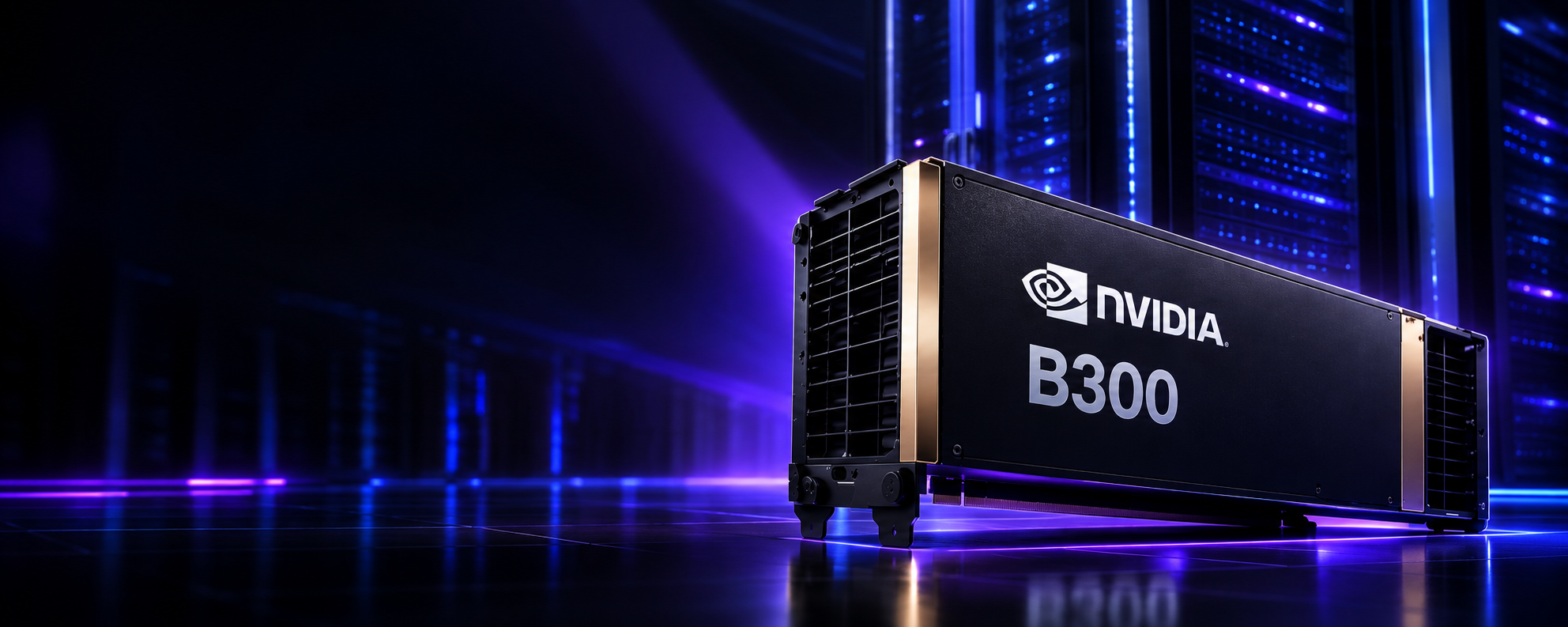
Here's a number that should give every AI team pause: an NVIDIA H100 GPU server costs ₹2–5 crore to buy outright — and it takes weeks to procure, months to deploy, and years to depreciate. The GPU cloud alternative? The same H100 compute, live in 60 seconds, at ₹219 per hour on Cyfuture AI — or north of ₹650–740/hr if you're routing your workloads through AWS or Google Cloud's India-facing infrastructure.
That gap — and everything hiding inside it — is exactly what this guide unpacks. Whether you're an AI startup watching every rupee, an ML team deciding between on-demand and reserved capacity, or an enterprise architect evaluating cloud GPU compliance for your BFSI workloads, the cost comparison between India-native and global GPU cloud providers is not a rounding error. It's a strategic decision worth getting right.
What Is GPU Cloud Pricing?
GPU cloud pricing is the cost structure for renting high-performance GPU compute over the internet on a pay-per-use basis. Pricing is charged per hour (or per second for serverless tiers), varies by GPU model, memory, instance type, and provider, and typically covers compute only — storage, egress, and support are billed separately. Common GPU models include NVIDIA H100, A100, L40S, and V100.
Unlike traditional cloud pricing where compute is measured in vCPUs and RAM, GPU cloud pricing has its own hierarchy. The hardware tier alone can range from a V100 at ₹39/hr (great for research and legacy ML workloads) all the way to an H100 SXM5 at ₹219/hr (the current gold standard for LLM training and generative AI). But the sticker price is rarely the full story.
Pricing is also shaped by how you buy: on-demand gives you maximum flexibility at the highest rate; reserved instances cut costs by 30–40% in exchange for a 3–12 month commitment; spot/preemptible instances go even cheaper (up to 70% off) for fault-tolerant batch jobs. And then there are the charges that don't make the headline — egress fees, storage, idle time — which we'll cover in detail.
Understanding this structure matters because the wrong pricing decision on a multi-week LLM training run can cost you lakhs more than necessary. Let's break it down, starting with what the India market actually looks like.
Check Real-Time GPU Cloud Pricing in India ₹100 Credits on Sign Up
H100 from ₹219/hr · A100 from ₹195/hr · L40S from ₹61/hr · V100 from ₹39/hr — all hosted in Indian data centers with zero egress fees on domestic traffic and DPDP compliance included.
GPU Cloud Pricing in India: What You Actually Pay
India's GPU cloud market has matured significantly over the last 18 months. Where previously enterprises had to choose between expensive hyperscaler pricing and unreliable offshore providers, a new tier of India-native GPU cloud infrastructure has emerged — offering enterprise-grade compute at pricing that actually makes sense for the rupee-denominated AI budget.
Cyfuture AI's GPU as a Service platform is the clearest example of what India-native pricing looks like in practice. Here's the on-demand rate card as of April 2026:
| GPU Model | VRAM | Price (INR/hr) | Price (USD/hr) | Best For |
|---|---|---|---|---|
| NVIDIA H100 SXM5 | 80 GB HBM3 | ₹219/hr | ~$2.41/hr | LLM training, GenAI, RLHF |
| NVIDIA H100 PCIe | 80 GB HBM3 | ₹195/hr | ~$2.15/hr | Large-scale inference, fine-tuning |
| NVIDIA A100 (80 GB) | 80 GB HBM2e | ₹195/hr | ~$2.06/hr | Deep learning, transformer training |
| NVIDIA A100 (40 GB) | 40 GB HBM2 | ₹170/hr | ~$1.80/hr | Research, NLP, vision models |
| NVIDIA L40S | 48 GB GDDR6 | ₹61/hr | ~$0.67/hr | AI inference, GenAI, rendering |
| NVIDIA V100 | 16–32 GB HBM2 | ₹39/hr | ~$0.43/hr | ML research, legacy model training |
These are on-demand rates — the highest tier. Reserved instance pricing (3–12 month commitment) brings costs down by 30–40%, and spot instances drop further to 50–70% below on-demand. For a team running continuous training jobs, the effective H100 cost on reserved pricing drops to roughly ₹130–150/hr — a number that starts making even large-scale LLM training economically viable in India.
Beyond the per-hour rate, India-native GPU cloud delivers three advantages that don't show up in the headline price but absolutely show up in your total cost:
- Zero forex risk. INR-denominated billing means no surprise cost swings when the dollar strengthens — a real issue for teams that burned rupees paying USD invoices in late 2024.
- No domestic egress fees. Cyfuture AI charges no egress fees for data transferred between its GPU instances and storage within the same platform — a major hidden cost on hyperscalers.
- DPDP compliance included. India's Digital Personal Data Protection Act (2023) compliance documentation — DPAs, audit logs, data residency certificates — is included, not sold as an add-on. This alone saves regulated enterprises weeks of compliance work.
Global GPU Pricing: AWS, GCP & Azure Breakdown
Global hyperscalers are not trying to win on GPU price. They're bundling GPU compute with decades of enterprise tooling, global region coverage, compliance certifications for every jurisdiction, and sales teams that can land eight-figure contracts. That infrastructure costs money — and it flows directly into GPU pricing.
Here's what the leading global providers charge for GPU compute that's comparable to what Indian teams actually need:
| Provider & Instance | GPU Model | GPU Count | On-Demand Price (USD/hr) | Estimated INR/hr |
|---|---|---|---|---|
| AWS p5.48xlarge | H100 SXM5 80 GB | 8× | ~$98.32/hr | ~₹718/hr per GPU |
| AWS p4d.24xlarge | A100 40 GB | 8× | ~$32.77/hr | ~₹299/hr per GPU |
| Google Cloud A3 High | H100 SXM5 80 GB | 8× | ~$98.32/hr | ~₹718/hr per GPU |
| Google Cloud A2 Ultra | A100 80 GB | 8× | ~$40.21/hr | ~₹367/hr per GPU |
| Azure ND H100 v5 | H100 SXM5 80 GB | 8× | ~$98.00/hr | ~₹715/hr per GPU |
| Lambda Labs H100 | H100 SXM5 80 GB | 1× | ~$2.49/hr | ~₹226/hr |
A few important notes on reading this table. AWS and GCP H100 instances are sold in 8-GPU clusters — you can't easily get a single H100 on-demand from a hyperscaler the way you can from Cyfuture AI or Lambda Labs. The per-GPU price calculated above (dividing the cluster rate by 8) gives you a fair comparison, but in practice you're often forced to buy more than you need. That's a hidden cost in itself.
Also worth noting: Lambda Labs, RunPod, and CoreWeave are GPU-native global providers that price more competitively than the big three — but they don't have Indian data centers, which means DPDP compliance is a non-starter for regulated Indian enterprises. For an NBFC processing loan applications or a hospital running diagnostic AI, data sovereignty is not optional.
When you pay AWS ₹718/hr for an H100 GPU, you're not just paying for the GPU. You're paying for 20+ years of global cloud infrastructure, multi-region redundancy, enterprise support contracts, a marketplace of 10,000+ software integrations, and a compliance portfolio covering every major regulatory framework on earth. If your team genuinely needs all of that — great. If you need a GPU and Indian data residency, you're paying for features you'll never use.
Head-to-Head Cost Comparison Table
Here's the cleanest way to see the India vs global price gap — normalized to a per-GPU, per-hour basis for the same NVIDIA hardware. All INR figures use ₹91.1 per USD (April 2026 rate). Cyfuture AI prices are published on-demand rates; hyperscaler prices are per-GPU equivalents from their multi-GPU instance pricing.
| GPU Model | Cyfuture AI (₹/hr) | AWS equiv. (₹/hr) | GCP equiv. (₹/hr) | Lambda Labs (₹/hr) | India vs AWS saving |
|---|---|---|---|---|---|
| H100 SXM5 80 GB | ₹219 | ~₹718 | ~₹718 | ~₹226 | ~70% cheaper |
| A100 80 GB | ₹195 | ~₹367 | ~₹367 | ~₹145 | ~47% cheaper |
| A100 40 GB | ₹170 | ~₹299 | ~₹280 | ~₹118 | ~43% cheaper |
| L40S 48 GB | ₹61 | N/A direct | N/A direct | ~₹73 | Best India rate |
| V100 32 GB | ₹39 | ~₹95 | ~₹88 | ~₹51 | ~59% cheaper |
Competitor pricing estimates based on published pricing pages and exchange rates as of April 2026. Performance figures from NVIDIA official specifications. Hyperscaler per-GPU prices derived from multi-GPU cluster rates.
Running a 7B parameter LLM fine-tuning job on a single H100 for 100 hours: Cyfuture AI = ₹21,900. AWS equivalent = ₹71,800. The difference — ₹49,900 — funds another two full fine-tuning runs on Cyfuture AI. For a startup iterating on model quality, that's the difference between shipping and not shipping.
Hidden Costs That Blow Your GPU Budget
The on-demand hourly rate is just the first line item. Experienced cloud engineers know that the real cost of GPU cloud often comes from charges that never appear in the pricing page headline. Here's what to model before you sign anything:
Network Egress Fees — The Most Underestimated Cost
On AWS and GCP, data transferred out of a GPU instance — to your own storage, to another region, or to the internet — is charged at ₹7–20/GB. For a training job checkpointing a 70 GB model every few hours, this adds up to thousands of rupees per training run. On Cyfuture AI, there are no egress fees for domestic traffic between GPU instances and Cyfuture storage — a significant real-world saving for checkpoint-heavy workloads.
Storage Charges — NVMe SSD Is Not Free
GPU instances need fast local storage for datasets, model checkpoints, and intermediate outputs. NVMe SSD storage on hyperscalers runs ₹8–40/GB-month depending on tier and region. For a 10 TB dataset stored for a month, that's ₹80,000–₹4,00,000 in storage alone — before you've run a single training step. Always cost your storage alongside your compute when comparing providers.
Idle Instance Charges — Paying for Doing Nothing
On-demand GPU instances charge by the hour whether your GPU utilization is 95% or 0.5%. An H100 instance that sits at 10% utilization while your team debugs a data pipeline is still billing at full rate. Hyperscalers don't automatically pause or throttle instances. The discipline to stop and restart instances — and the tooling to automate it — is worth building early. On serverless GPU tiers, this problem goes away entirely since you only pay per actual compute second.
Inter-Zone and Cross-Region Transfer Fees
If your GPU instance is in one availability zone and your data is in another — common in hyperscaler architectures where you take whatever GPU capacity is available — you pay inter-zone transfer fees on every GB moved. This is particularly painful for distributed training across multiple GPU nodes. India-native GPU cloud with co-located storage eliminates this entirely.
Support Tier Upgrades — Enterprise Support Costs 10–20% Extra
On AWS and GCP, getting a human who understands GPU infrastructure issues — not a generic cloud support ticket — requires upgrading to Business or Enterprise support plans, which cost 10–20% of your monthly bill on top of compute. For a team spending ₹5L/month on GPUs, that's another ₹50K–₹1L just for the right to talk to someone who knows what InfiniBand is.
Always model: compute + storage + egress + support + one-time setup before comparing providers. Teams that only compare headline GPU rates routinely find their actual invoices are 30–50% higher than their initial estimate. Ask every provider for an all-inclusive price estimate based on your actual workload profile before committing.
Explore GPU Cloud Plans Built for Your AI Workloads ₹100 Free Credits
No egress fees on domestic traffic. No forex risk. Transparent INR billing with no surprise charges — on-demand, reserved, spot, and serverless GPU tiers all available from ₹39/hr.
Why Is GPU Cloud Cheaper in India?
This is the question every skeptical enterprise buyer asks — and it's a fair one. If the underlying GPU hardware (H100, A100) is the same silicon regardless of where it's deployed, why is the price so dramatically different between Cyfuture AI and AWS?
The answer comes down to four structural differences, not hardware quality:
Focused Infrastructure, Not a Global Platform
Hyperscalers maintain 30+ regions worldwide, redundant infrastructure in every country they operate in, and enormous sales, compliance, and support organizations. Cyfuture AI runs purpose-built GPU-focused data centers in India — lean, efficient, and without the overhead of a global platform. That cost difference goes directly into pricing.
No Foreign Exchange Layer
AWS and GCP bill in USD. When you pay in rupees, you absorb currency conversion costs, forex risk, and sometimes a banking fee on top. Cyfuture AI bills in INR — the price you see is the price you pay, with no exchange rate surprises at month-end.
No Global Egress Tax
Hyperscalers charge data egress fees because data movement across their global network has a real infrastructure cost. An India-native provider doesn't route your data through Singapore, Oregon, or Frankfurt — so there's no international data transit to charge for.
India-First Market Strategy
For Cyfuture AI, India is not a secondary market or a compliance checkbox. It's the entire focus. That alignment allows for pricing optimized for Indian enterprise budgets and billing structures — rather than global price-per-unit rates that happen to also apply in India.
One thing worth being clear about: cheaper does not mean compromised. Cyfuture AI's GPU instances run the same NVIDIA-certified hardware — H100 SXM5, A100 80 GB, L40S — that frontier AI labs use globally. The hardware quality is not the variable. The infrastructure business model and geography are.
On-Demand vs Reserved vs Spot: Which GPU Pricing Model Wins?
Once you've chosen a provider, the next pricing decision is the instance type — and this one can cut your bill by 40–70% compared to always running on-demand. Here's how to think about it:
| Instance Type | Pricing vs On-Demand | Flexibility | Best For | Key Risk |
|---|---|---|---|---|
| On-Demand | Base price | Maximum — start/stop any time | Experiments, pilots, irregular workloads | Most expensive for sustained use |
| Reserved (3 months) | ~20–30% cheaper | Moderate — committed capacity | Production training runs, ongoing inference | Paying for unused capacity if requirements change |
| Reserved (12 months) | ~35–40% cheaper | Low — long commitment | Large-scale AI products, enterprise platforms | Locked in if GPU needs change |
| Spot / Preemptible | ~50–70% cheaper | Low — can be interrupted | Batch jobs, data preprocessing, fault-tolerant training | Instance can be reclaimed with 2-min warning |
| Serverless GPU | Per compute-second | Maximum — scales to zero | Inference APIs, variable-demand GenAI apps | Cold-start latency for bursty traffic |
The practical playbook most mature AI teams use: run experiments and new workloads on-demand, migrate validated training pipelines to reserved instances after 4–6 weeks, and route batch preprocessing and hyperparameter sweeps to spot instances. This hybrid approach typically reduces GPU spend by 40–50% versus a pure on-demand strategy, without sacrificing agility.
For AI inference workloads with variable traffic, serverless GPU is increasingly the best option — you only pay when a request is actually being processed, with no idle compute burning through budget at 3 AM when nobody's using your application.
Startups vs Enterprises: Who Should Choose What?
The "right" GPU cloud provider is genuinely different depending on where your team sits. Here's an honest breakdown:
✅ Choose India-Native GPU Cloud (e.g., Cyfuture AI) When:
- Your data is subject to India's DPDP Act — especially BFSI, healthcare, or government workloads where data cannot leave Indian jurisdiction
- You're an AI startup or ML team prioritizing cost efficiency — 60–70% savings over hyperscalers compounds fast across a 6-month training roadmap
- You want INR billing with predictable costs, no forex exposure, and per-minute billing that stops the moment you terminate an instance
- You need 24/7 support from engineers who actually understand GPU infrastructure — not a generic cloud ticket queue
- You're fine-tuning models or running inference and want pre-installed frameworks (PyTorch, vLLM, TGI) without environment setup overhead
⚠️ Consider Global Hyperscalers When:
- Your workload spans multiple continents and you genuinely need low-latency GPU access in North America, Europe, and Asia simultaneously
- You're deeply integrated into an existing AWS or GCP ecosystem (VPCs, IAM, S3-compatible storage at scale) and migration cost outweighs GPU savings
- You need compliance certifications beyond DPDP — for instance, FedRAMP for US government work or specific regional certifications not yet available from India-native providers
- You're running a GPU cluster at 95%+ utilization 24/7 and have negotiated custom enterprise pricing that closes the rate gap
Not Sure Which GPU Plan is Right for You? ₹100 Free Credits
Our GPU infrastructure team works with AI startups, ML teams, and enterprise architects every day. Tell us your workload, we'll tell you the most cost-efficient configuration — and you can start running it with ₹100 free credits, no card required.
Frequently Asked Questions
Straight answers to the GPU cloud pricing questions enterprises and developers ask most often.
GPU cloud pricing is the cost structure for renting high-performance GPU compute over the internet on a pay-per-use basis. Pricing is charged per hour (or per second for serverless tiers), varies by GPU model, memory size, instance type (on-demand, reserved, spot), and provider. The main GPU models in use are NVIDIA H100, A100, L40S, and V100. Storage, egress, and support are typically billed separately — always check the all-in cost, not just the headline compute rate.
On Cyfuture AI, an NVIDIA H100 SXM5 80 GB GPU starts at ₹219/hr on-demand. Reserved instances (3–12 month) bring this down to roughly ₹130–150/hr effective. Spot instances are available at 50–70% below on-demand rates for fault-tolerant workloads. For comparison, AWS equivalent H100 compute is estimated at ₹718/hr per GPU when derived from p5.48xlarge pricing — making Cyfuture AI approximately 70% cheaper for equivalent specs.
India-native GPU cloud providers like Cyfuture AI operate purpose-built, GPU-focused infrastructure without the overhead of a global hyperscaler — no 30-region global footprint, no enterprise sales armies, no bundled services you may never use. There's also no foreign exchange markup (INR billing vs USD), no international data egress fees, and a leaner operating model purpose-designed for Indian market conditions. The hardware quality — NVIDIA H100, A100, L40S — is identical. The business model is different.
Cyfuture AI offers India's most competitive GPU cloud pricing with full Indian data residency and DPDP compliance: V100 from ₹39/hr, L40S from ₹61/hr, A100 (40 GB) from ₹170/hr, A100 (80 GB) from ₹195/hr, and H100 from ₹219/hr. All instances include pre-installed AI frameworks, no egress fees on domestic traffic, and 24/7 India-based support. Sign up for ₹100 free credits to test your workload before committing.
The most common hidden costs are: (1) network egress fees — ₹7–20/GB on hyperscalers for data moved out of GPU instances; (2) NVMe SSD storage charges of ₹8–40/GB-month; (3) idle instance charges since on-demand GPUs bill at full rate even at low utilization; (4) inter-zone data transfer fees when GPU and storage are in different availability zones; and (5) support tier upgrades costing 10–20% of monthly compute. Always ask for an all-inclusive cost estimate — not just the compute rate — before signing a contract.
For most AI teams, yes — especially at the scale of 1–8 GPUs and workloads that aren't running 24/7. A single NVIDIA H100 server costs ₹2–5 crore upfront, requires 4–8 weeks for procurement, needs dedicated power, cooling, and networking infrastructure, and depreciates over 3–5 years. GPU cloud gives you the same compute for ₹219/hr, scalable in 60 seconds. On-premise makes financial sense only when you're running GPUs at 85%+ utilization for 18+ hours per day, every day, with a stable multi-year workload — a profile that describes very few teams in practice.
On Cyfuture AI, the NVIDIA A100 80 GB starts at ₹195/hr and the A100 40 GB at ₹170/hr on-demand. Reserved instances bring effective costs down 30–40% for committed terms. The A100 is the recommended GPU for most deep learning training, transformer model fine-tuning, and AI inference workloads that don't require the full H100 capability — it offers an excellent balance of VRAM, memory bandwidth, and price for Indian enterprise AI budgets.
Meghali writes about GPU cloud infrastructure, AI economics, and enterprise cloud strategy for Cyfuture AI. She specializes in translating complex pricing structures and infrastructure architectures into clear, actionable guidance for ML teams, AI product builders, and enterprise decision-makers evaluating cloud GPU investments.